Ant Control in Lakeland, FL
If you live in Lakeland, you already know ants here do not take a winter break. Our hot, wet weather in Polk County keeps colonies active all year, and a heavy afternoon rain can push them right up against your foundation or straight into your kitchen. One morning there is nothing. The next, there is a trail across the counter and a fresh mound by the mailbox.
Same-day and next-day appointments, Mon–Sat
Swan City Pest handles the ants that actually cause trouble around Lakeland homes. That includes fire ants in the yard, carpenter ants in damp wood, and the tiny ghost ants and sugar ants that show up around sinks and pantries. We start by identifying the species, because the right fix for one ant can be the wrong fix for another. Then we treat the colony, not just the ants you can see.
The Ants We See Most in Lakeland Yards and Kitchens
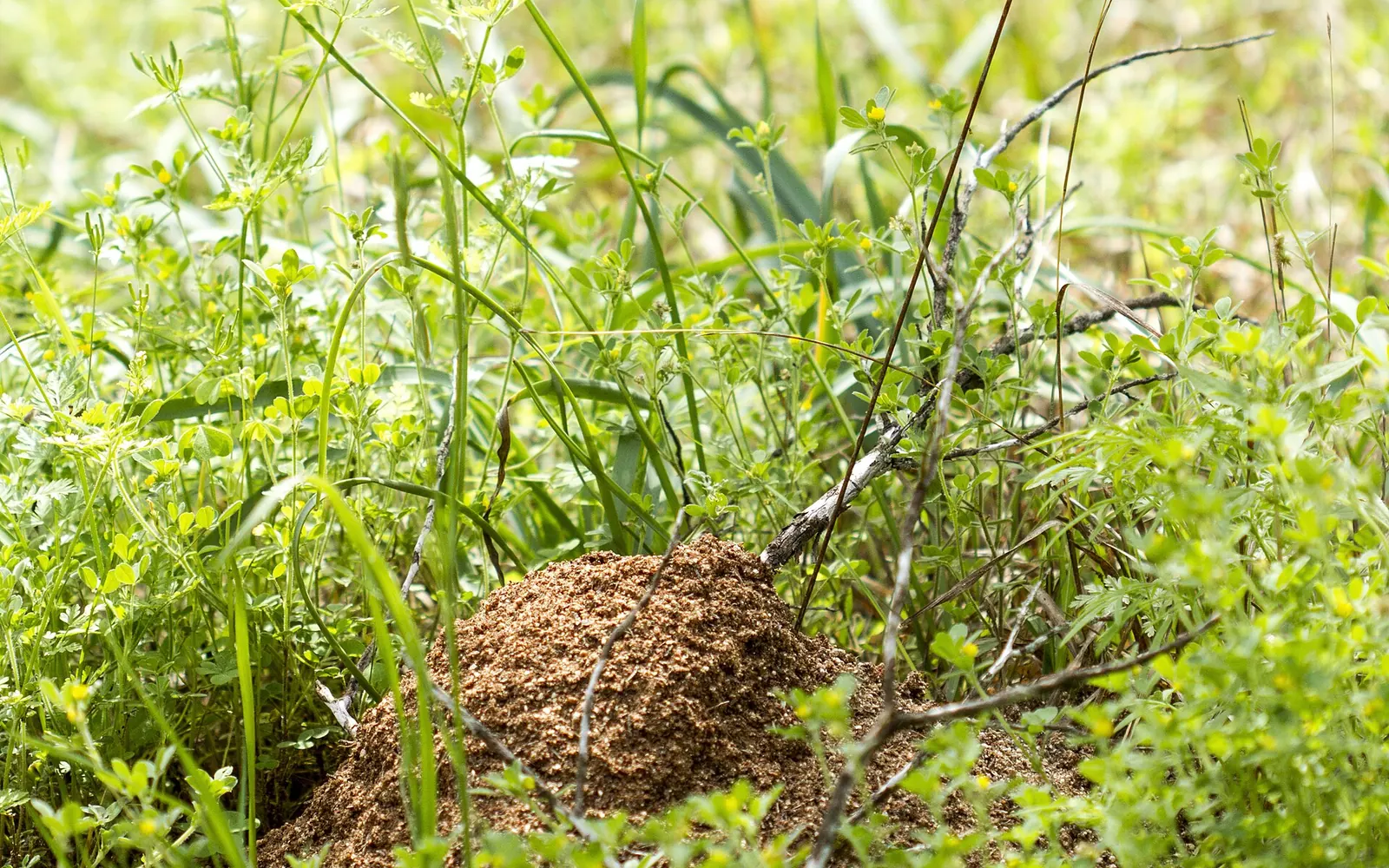
Fire ants are the big yard problem. They build loose mounds in sunny grass, along driveways, and near AC units, and they sting fast if you step on one. For kids playing barefoot and pets digging in the grass, that is more than a nuisance. Carpenter ants are different. They do not eat wood like termites, but they tunnel through wet or rotting wood to nest, so you tend to find them near leaky windows, porch posts, and bathroom walls where moisture sits.
Inside the house, ghost ants and sugar ants are the usual kitchen invaders. They are small, they love crumbs and sweet spills, and they can slip through gaps you would barely notice. White-footed ants and big-headed ants are also common Florida problems around Lakeland. White-footed ants form huge colonies in walls and attics, and big-headed ants nest in soil and under pavers, then trail indoors looking for food.
- Fire ants: yard mounds, painful stings, a real risk for kids and pets
- Carpenter ants: drawn to wet, soft, or rotting wood around the home
- Ghost ants and sugar ants: tiny kitchen ants around sinks and food
- White-footed ants: large colonies that can live inside walls
- Big-headed ants: soil nests under mulch, pavers, and patios
Why Baiting Beats Spraying for Most Ant Problems
A quick spray kills the ants in front of you and often makes the real problem worse. Many species just split the colony and move to a new spot in the wall or yard, so you see ants again a week later in a different room. Bait works the other way. Worker ants carry it back and share it with the rest of the colony, including the queen. It takes a little longer to see results, but it is how you actually end the colony instead of chasing it around the house.
We place bait where ants are already traveling, keep it away from food prep areas, and explain any kid- and pet-conscious choices up front before we start. For fire ants, that usually means treating individual mounds plus a broader yard approach so new colonies do not just move in next door. For indoor ants, we also point out the entry gaps, drips, and food sources that keep bringing them back.
What Makes Lakeland Ant Pressure So Steady
Central Florida gives ants almost everything they want. Sandy soil is easy to tunnel through. Mulch and leaf litter hold moisture and shelter. Summer storms flood nests and push colonies toward higher, drier ground, which is often your slab, your patio, or the soil right against your house. Even in the cooler months, a warm spell can get foraging going again within days.
That is why one visit with no follow-through rarely holds. We talk honestly about what one treatment can do and whether a short series of visits or a regular service makes more sense for your yard and home. No pressure either way. If sealing a gap and fixing a drip will solve half the problem, we will tell you that too.
Signs It Is Time to Call Instead of Spraying Again
Call when ants keep coming back after store sprays, when you find sawdust-like debris near wood, or when fire ant mounds keep multiplying across the lawn. Ants in outlets, inside the dishwasher area, or trailing from the attic are also worth a closer look, because the nest may be inside the structure where surface sprays never reach.
- Trails that return within days of cleaning and spraying
- Multiple new fire ant mounds after rain
- Ants around sinks, pantries, pet bowls, or electrical outlets
- Piles of coarse debris near windows or damp wood
- Stings on kids or pets during normal yard use
How our ant control service works
- Step 1
Identify the ant
We look at size, color, nesting spots, and trails to name the species. Treatment depends on it, so we do not guess.
- Step 2
Find the colony and the entry points
We follow trails indoors and out, check for moisture and wood damage, and note where ants are getting in.
- Step 3
Treat the source
We use targeted baiting for colony kill, mound treatment for fire ants, and focused work around entry points and nests.
- Step 4
Walk you through prevention
You get plain next steps on sealing, food storage, yard cleanup, and whether follow-up visits make sense for your home.
Questions before you book? Call us — a two-minute conversation usually settles it.
Ready to sort out your ant control problem?
Free quote, straight answers, and a price confirmed before any work starts. Most appointments are same-day or next-day.
Related services
Ant Control across the Lakeland area
Ant Control questions, answered
Why do ants come back after I spray them?
Most sprays only kill the workers you see. The colony and queen survive, and some species split and form new nests when sprayed. Baiting works better for many Lakeland ants because workers carry it back and share it, so the whole colony is treated.
Are fire ants dangerous for my kids and pets?
They can be. Fire ants sting in groups and the stings hurt, swell, and itch. Kids who play in the grass and pets that dig or lie in the yard are the most likely to get hit. If mounds are near play areas, walkways, or pet spots, it is worth treating promptly.
How long does bait take to work?
You may still see ants for several days while they feed and share the bait. That activity is part of how it works. Numbers should drop steadily over one to two weeks for most indoor ants. Large white-footed ant colonies can take longer because of their size.
Do I need to leave the house during treatment?
In most cases, no. Most ant work is targeted bait placement and exterior treatment, not whole-home spraying. We will explain exactly what is being used, where it goes, and any short precautions for kids and pets before we begin.
Can you help the same day I call?
Often, yes. We offer same-day or next-day availability when the schedule allows. Call for a free quote over the phone, and we will confirm the soonest time we can get to your Lakeland home.