Wildlife Removal in Lakeland, FL
Scratching in the attic at 2 a.m. is hard to ignore. In Lakeland, with our lakes, oaks, and older neighborhoods, raccoons and squirrels treat attics like tree hollows with better weather protection. Opossums slip under porches. Armadillos dig up lawns overnight looking for grubs. The animal is only half the problem, though. The hole it used to get in stays open for the next one.
Same-day and next-day appointments, Mon–Sat
Swan City Pest removes wildlife humanely and then seals the entry points so you are not calling again in two months. We use humane trapping where it fits, one-way doors where they work better, and careful checks for babies before anything gets closed up. You get a straight explanation of what got in, how, and what it will take to keep it out.
Attic Visitors: Raccoons and Squirrels
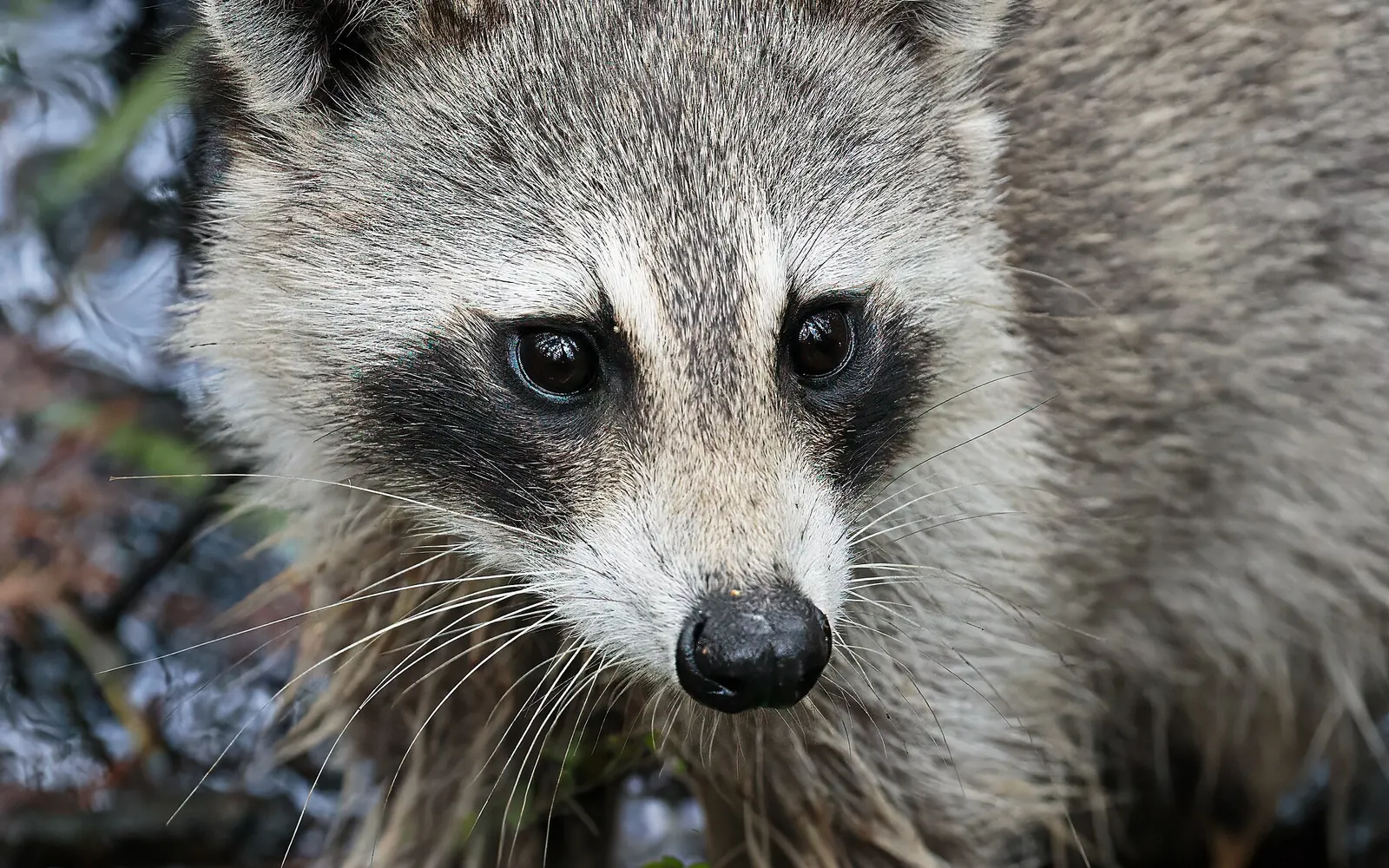
Raccoons are strong enough to pull up loose soffits, push through weak vents, and widen a small gap into a doorway. A mother raccoon in spring often means babies in the attic, which changes the whole job. Removing her without checking for young leaves a worse problem behind the drywall. Squirrels are smaller but relentless. They chew through wood and even soft metal flashing to reach an attic, and once inside they gnaw wiring and pipes, which is a fire and leak risk on top of the noise.
For squirrels, one-way doors often work well. The animal leaves to feed, the door lets it out, and it cannot get back in. Then we seal the opening with material they cannot chew through quickly. Raccoons usually need humane trapping plus repairs once the attic is clear. We also check insulation and droppings and tell you plainly if cleanup beyond removal is worth doing.
- Raccoons: enter through soffits, vents, and roof gaps, often with babies in spring
- Squirrels: chew entry holes, damage wiring, well suited to one-way doors
- Opossums: shelter under porches, decks, and sheds, usually removed by trapping
- Armadillos: dig up lawns and flower beds hunting insects at night
- Every job ends with sealing, not just removal
Bats and Florida Bat Maternity Season
Bats around a Lakeland home are good for mosquitoes and bad houseguests in a gable or soffit. Bat work in Florida has a hard rule. Maternity season runs from April 15 to August 15, and exclusions are not done during that window, because flightless pups inside would be trapped when the adults are kept out. If you call during maternity season, we will inspect, confirm what you have, and schedule the exclusion for right after the season ends.
Outside maternity season, bat removal uses one-way devices at the exit points. Bats leave at dusk, cannot re-enter, and the openings are then sealed for good. Bat droppings need careful handling, so we explain cleanup options and safety steps rather than telling you to sweep it up yourself. Never handle a bat with bare hands, even one that looks dead.
Armadillos, Opossums, and Snakes
Armadillos do real damage to Lakeland lawns in a single night, rooting through sod and beds for grubs and worms. Trapping them takes patience and the right placement along fences and walls where they travel. Reducing grub pressure in the lawn can help, but a busy armadillo usually needs to be caught and taken out. Opossums are less destructive and often move on alone, but one living under the house or dying there is a different story, and trapping is the clean fix.
Snakes get a careful answer. Most snakes found around Lakeland yards are harmless and eat the rodents other pests love, so they are usually left alone. If a snake is inside the home or you cannot tell what kind it is, keep distance, keep pets inside, and call us. We will advise on the spot or refer you if it needs a specialist handler. Do not try to move a snake you cannot identify.
Sealing Is the Part That Makes Removal Last
Trapping without sealing is just making room for the next animal. After removal, we seal gaps at the roofline, screen vents with sturdy material, cap chimneys where needed, and repair the chewed or pulled openings the animals were using. We walk the exterior with you so you can see each spot and understand what was done.
- Seal roofline, soffit, and vent openings with chew-resistant material
- Screen gable and foundation vents that animals push through
- Trim branches that give raccoons and squirrels a bridge to the roof
- Secure pet food and trash that draw animals to the house
- Recheck the attic after sealing to confirm it stays quiet
How our wildlife removal service works
- Step 1
Inspect inside and out
We check the attic, roofline, vents, and yard for droppings, damage, and entry holes to confirm which animal you have.
- Step 2
Set a humane removal plan
Depending on the animal, we use humane traps or one-way doors, with a check for babies before any opening is closed.
- Step 3
Confirm the animals are out
We monitor traps and doors and recheck the space so we know the attic or crawl area is clear before sealing.
- Step 4
Seal the entry points
We close and reinforce the gaps the animals used, then walk them with you and share tips to keep wildlife from returning.
Questions before you book? Call us — a two-minute conversation usually settles it.
Ready to sort out your wildlife removal problem?
Free quote, straight answers, and a price confirmed before any work starts. Most appointments are same-day or next-day.
Related services
Wildlife Removal across the Lakeland area
Wildlife Removal questions, answered
I hear noises in my attic at night. Is it raccoons or rats?
Timing and sound are clues. Heavy thumps and slow movement at night often point to a raccoon. Quick scratching and running at dawn and dusk is more typical of squirrels, and lighter scratching can be rats. An inspection settles it, because the fix for each one is different.
Can you remove bats right now?
It depends on the date. Florida bat maternity season runs April 15 to August 15, and exclusions cannot be done during it. If you call in that window, we inspect and plan the work for right after August 15. Outside the season, we install one-way devices and seal once the bats are out.
Will the animals just come back after removal?
Not if the entry points are sealed well. Removal alone leaves the opening, and another animal will find it. That is why every wildlife job we do pairs humane removal with sealing and a final recheck.
What should I do about an armadillo tearing up my lawn?
Call sooner than later. Armadillos return to good feeding ground night after night, so damage adds up fast. We place traps along the travel paths near fences and walls. Mowing, watering less at night, and grub control can make your lawn less appealing afterward.
Do you remove snakes?
Most yard snakes are harmless and best left alone. If a snake is inside your home, garage, or pool area and you are not sure what it is, keep your distance and call us. We will advise you or refer you to a specialist handler when that is the safer route.